Learn how encapsulation protects pH-sensitive skincare ingredients, improves stability, reduces irritation, and enables advanced multi-active formulations
Written By
Aishwarya
Published on
04 June 2026
Tags
Normal skin has an acidic layer, also known as the acid mantle, with a pH of 4.5 to 5.5. It is composed of sebum, sweat, and by-products from skin bacteria. Its main role is to regulate three interrelated processes: maintaining the activity of skin enzymes so that dead cells are shed properly, supporting beneficial bacteria that help fight off bad bacteria, and keeping skin lipids intact so that water retention is not compromised. The reason it is important is that these three processes depend on each other. Therefore, even a slight change in pH, such as using soap or hard water, can cause the whole process to break down
Through the use of encapsulation technology, cosmetic companies can provide products with higher efficacy and advanced consumer experiences. Sensitive actives are shielded by these beadlets, which keep them stable and active until the application point. This not only extends product shelf life but also enables controlled release so that active ingredients may be delivered in a precise manner.
Sprayspheres SC Many powerful skincare ingredients are basically chemically fussy; they only stay effective under very specific pH conditions. The problem is that those conditions are often the opposite of what your skin needs. So the ingredient is happy in the bottle but struggles the moment it touches your skin, or vice versa.
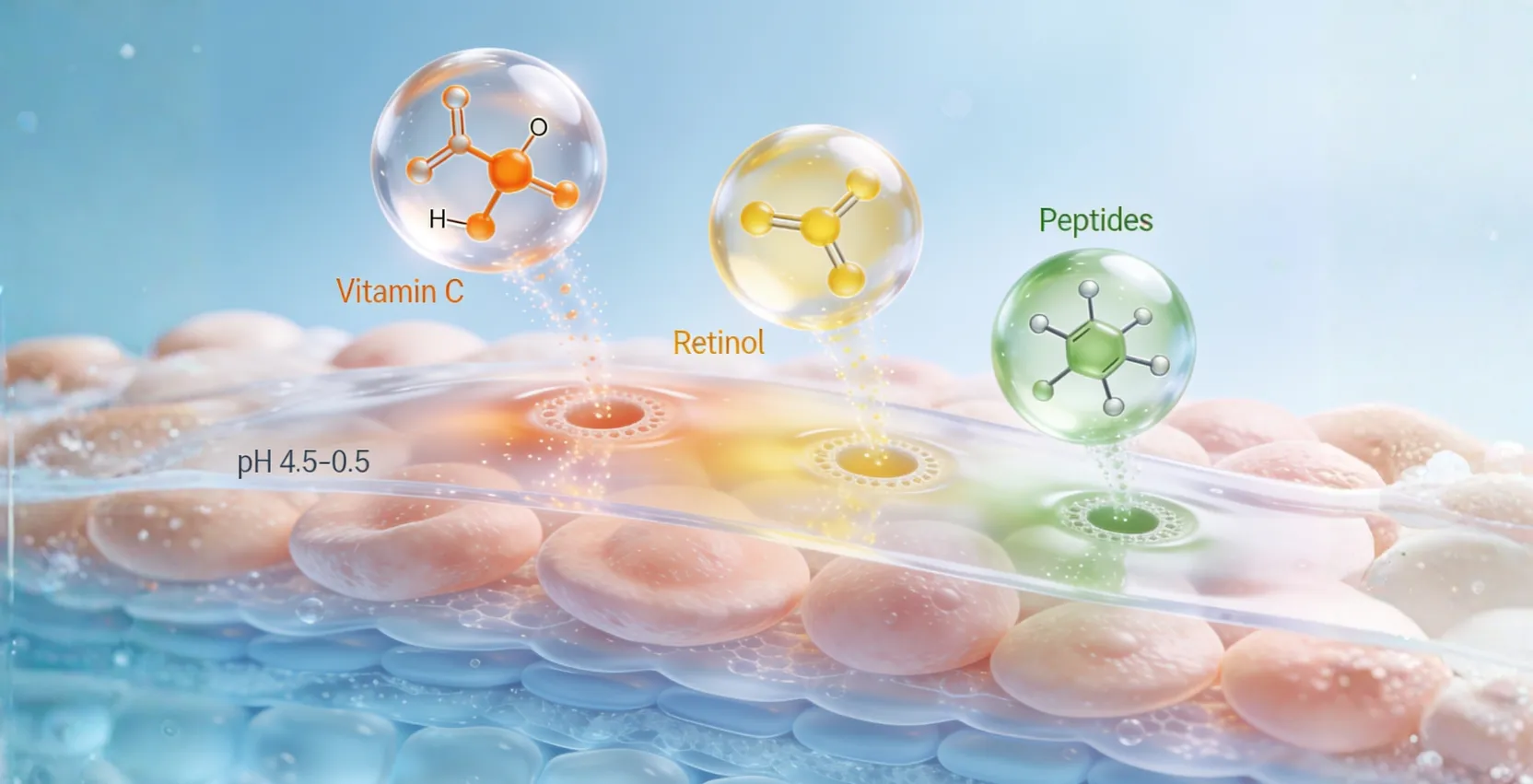
Take Vitamin C — it stays stable and potent only in a very acidic environment (pH below 3.5). But your skin has a pH of 4.5–5.5. The moment Vitamin C meets that slightly less acidic surface, it starts breaking down, turns yellow-brown, and loses all its effectiveness. Retinol has a similar issue — it changes its molecular shape under the wrong pH conditions, turning into an inactive form before it even gets a chance to work. AHAs like glycolic acid need to be formulated at a low, aggressive pH to actually exfoliate, but that same aggression irritates the skin if it's too strong and does nothing if it's too weak. Niacinamide and Vitamin C simply cannot coexist in the same formula because their pH requirements clash and they react with each other. Peptides literally fall apart — their molecular bonds break — when pH moves away from the ideal range.
So formulators are constantly stuck between two impossible demands: keep the ingredient alive in the bottle, or make it effective on skin.
The skin's pH is resilient; it can recover from any disturbance. However, our daily activities continually disrupt the pH level, even before it recovers from previous disturbances.
The regular soap we use is very alkaline, with a pH of 9-10. Using the soap once will completely remove the protective layer. Similarly, foaming agents have been found to strip off the skin's barrier. Studies reveal that it can take up to 90 minutes for skin pH to return to normal after one cleansing. Even the water you wash with, if it's hard water, carries calcium and magnesium minerals that interfere with the skin barrier.
Disruption of the protective acid mantle initiates a cascade of events. The enzymes responsible for removing skin cells start shedding skin cells faster, thereby thinning the barrier. The rate at which the skin loses moisture increases. The protective good bacteria are flushed away. The inflammation mechanism is activated. For this reason, eczema, rosacea, and acne are associated with elevated skin pH.
Encapsulation changes the whole approach to the pH issue. Instead of asking, “How do we formulate an active that is unstable at a pH it can withstand?” encapsulation asks, “What if this active didn’t have to interact with the skin at all before reaching its destination?”
Encapsulation technology helps overcome these formulation limitations by surrounding active ingredients within a protective carrier system. By isolating the active from the external formulation environment, encapsulation protects it from direct exposure to unfavorable pH conditions. The active ingredient, which is protected by a protective polymer shell, shields it from the external formulation pH and the skin surface pH.
One of the primary benefits of encapsulation is the protection of sensitive active ingredients from pH-induced degradation. Ingredients such as Vitamin C, retinol, peptides, and botanical extracts can rapidly lose stability when exposed to unsuitable pH levels.
Encapsulation forms a physical barrier around the active ingredients, minimizing their direct interaction with the formulation medium. This helps preserve the ingredient’s potency, stability, and effectiveness throughout the product’s shelf life. It helps reduce oxidation, improve ingredient stability, better retain efficacy, and extend shelf life.
Many skincare actives cannot coexist easily because they require different pH environments for stability. Without protection, these ingredients may react with one another, leading to reduced performance or complete destabilization of the formulation.
Encapsulation allows sensitive actives to remain protected within their own environment. This separation minimizes direct interaction between incompatible ingredients, enabling the formulation of multifunctional products with enhanced stability.
Easier Incorporation of Multiple Actives
Encapsulation allows multiple active ingredients to be incorporated into a single formulation by protecting sensitive actives from directly interacting with one another. This helps formulators combine ingredients with different stability requirements more effectively.
Reduced Formulation Conflicts
By isolating active ingredients within protective carrier systems, encapsulation minimizes unwanted chemical interactions caused by pH differences or ingredient incompatibility, helping maintain formulation integrity.
Greater flexibility in product development
Encapsulation provides formulators with greater freedom to work with complex or sensitive ingredients, enabling the development of multifunctional and innovative skincare formulations
Improved formulation stability
Encapsulation protects active ingredients from external stressors such as pH fluctuations, oxidation, moisture, and light exposure, helping to improve product stability, shelf life, and retention of efficacy.
Highly acidic ingredients such as AHAs, BHAs, and exfoliating acids can sometimes cause skin irritation due to rapid, concentrated exposure to the skin surface.
Encapsulation helps control the release of these ingredients, allowing gradual diffusion or immediate delivery. This controlled-release mechanism reduces sudden spikes in concentration on the skin and improves tolerability.
Encapsulation helps reduce the potential for irritation from strong active ingredients by enabling a more controlled, gradual release into the skin. This improves overall skin comfort while minimizing redness, dryness, and sensitivity commonly associated with highly potent actives. As a result, formulations become more suitable for sensitive skin and allow gentler delivery of powerful ingredients without compromising their effectiveness.
Traditional formulations are often limited by strict pH compatibility requirements. Encapsulation gives formulators greater flexibility in designing products across a broader pH range without compromising ingredient integrity. This becomes increasingly important in modern skincare products, where consumers expect multiple benefits from a single formulation.
Encapsulation supports the development of advanced multi-active products by allowing formulators to combine complex ingredients more effectively within a single formulation.
It also simplifies formulation optimization by improving ingredient compatibility and stability, while creating enhanced opportunities for innovation in product design, functionality, and delivery systems. This ultimately leads to greater product versatility across a wide range of skincare applications.
Aishwarya
04 June 2026
Learn how encapsulation protects pH-sensitive skincare ingredients, improves stability, reduces irritation, and enables advanced multi-active formulations
Read More →
Yukta
25 September 2024
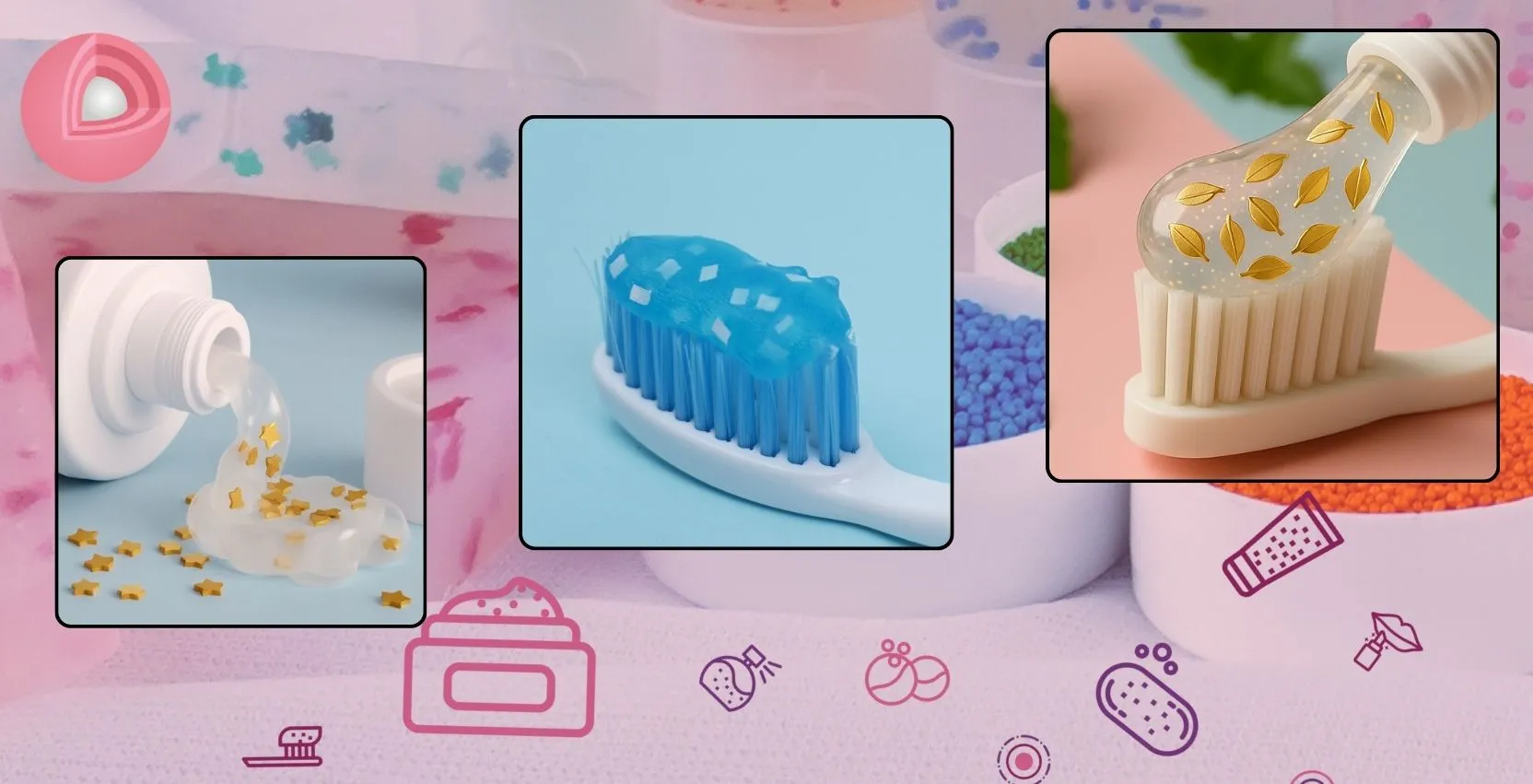
Stand out in the personal care market with Umang Global's Actifilms. Our biodegradable, customizable films add a unique touch, enhancing both aesthetics and sensory pleasure.
Read More →
Nikhil
17 May 2025
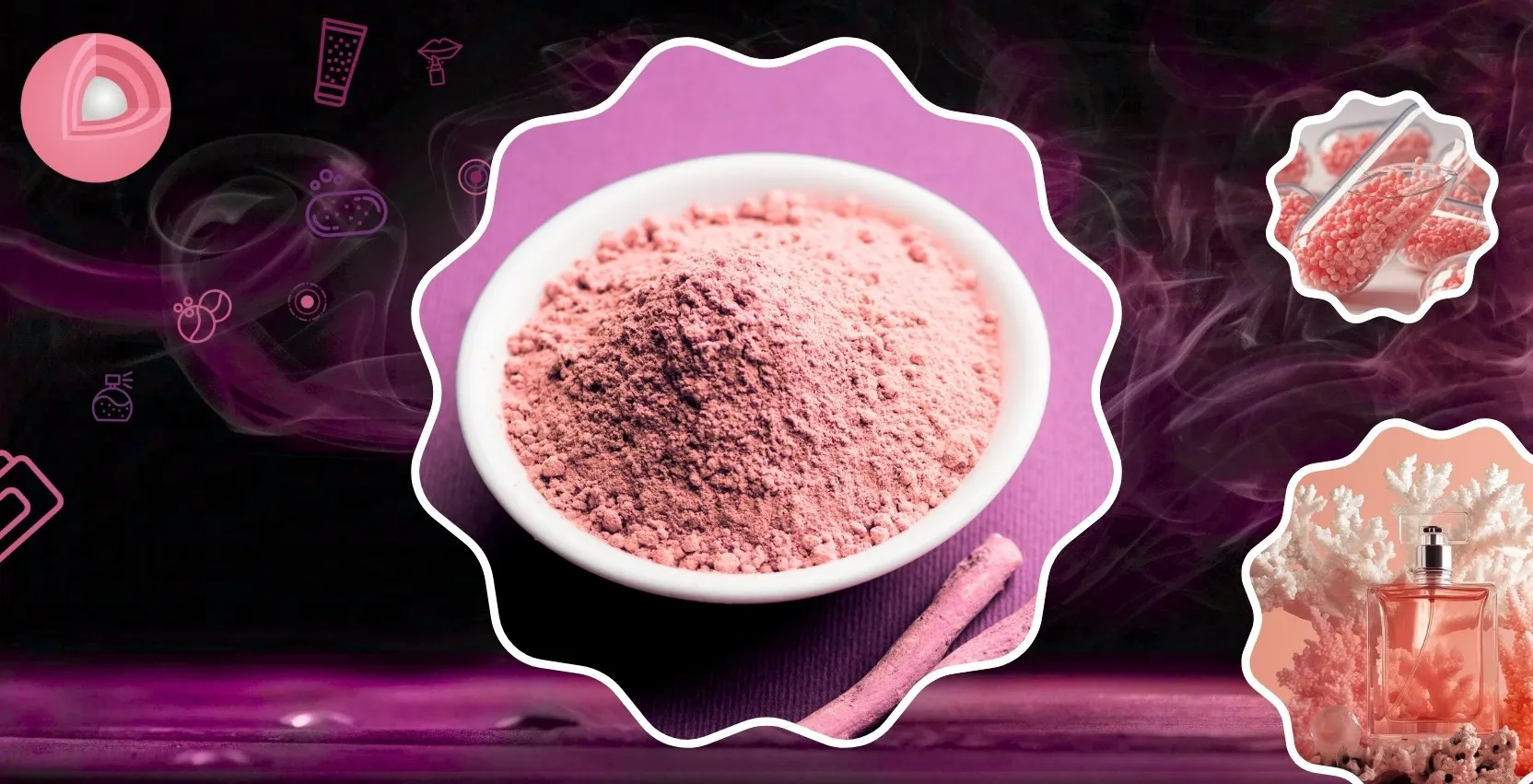
Innovative encapsulated aroma designed for long-lasting fragrance delivery in personal care and home care products. Safe, stable, and customizable.
Read More →
Omkar
21 September 2024
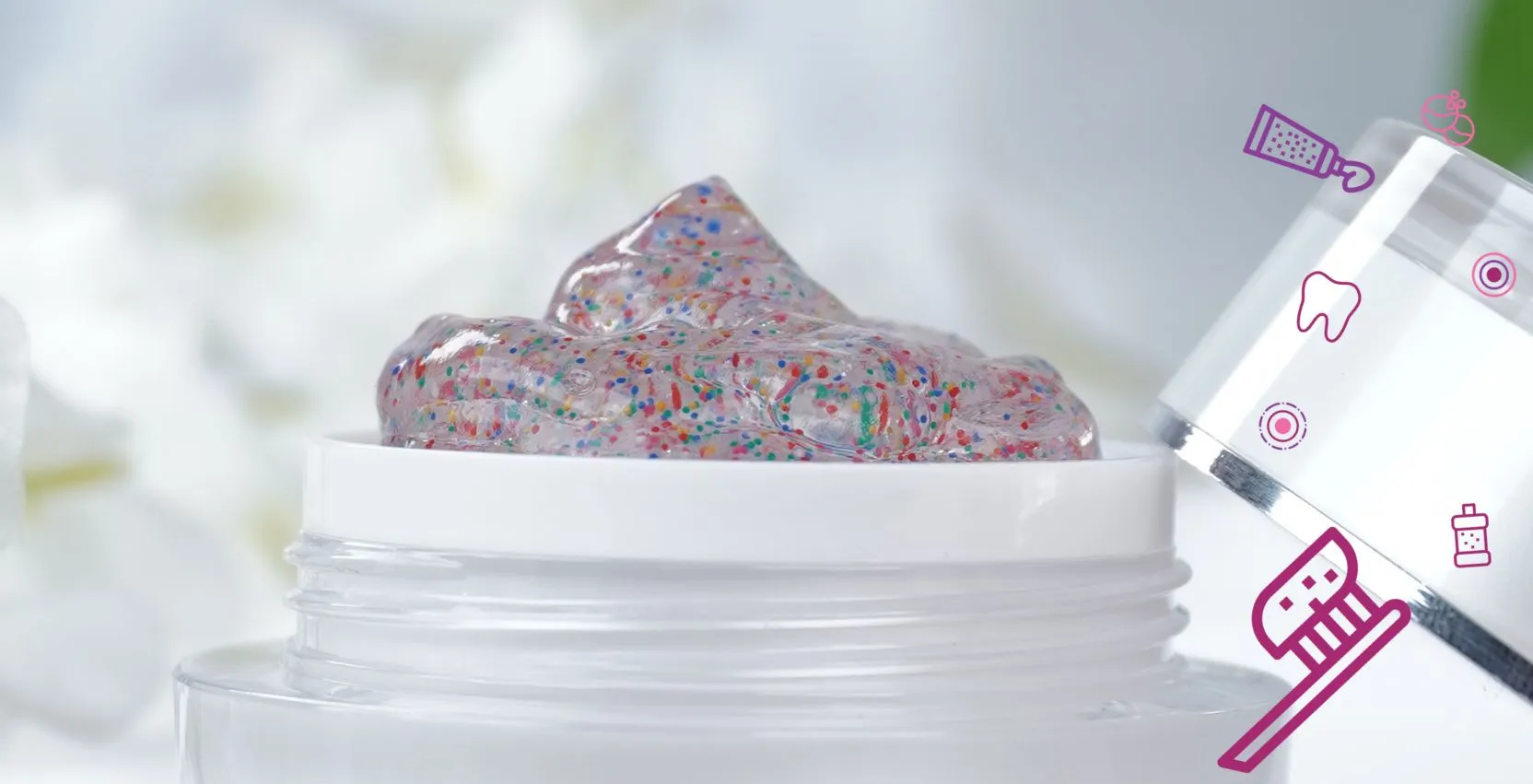
Experience the advantages of colored beads and natural exfoliants in personal care products. Improve skin texture, product attractiveness, and sustainability now!
Read More →
Aishwarya
16 September 2026
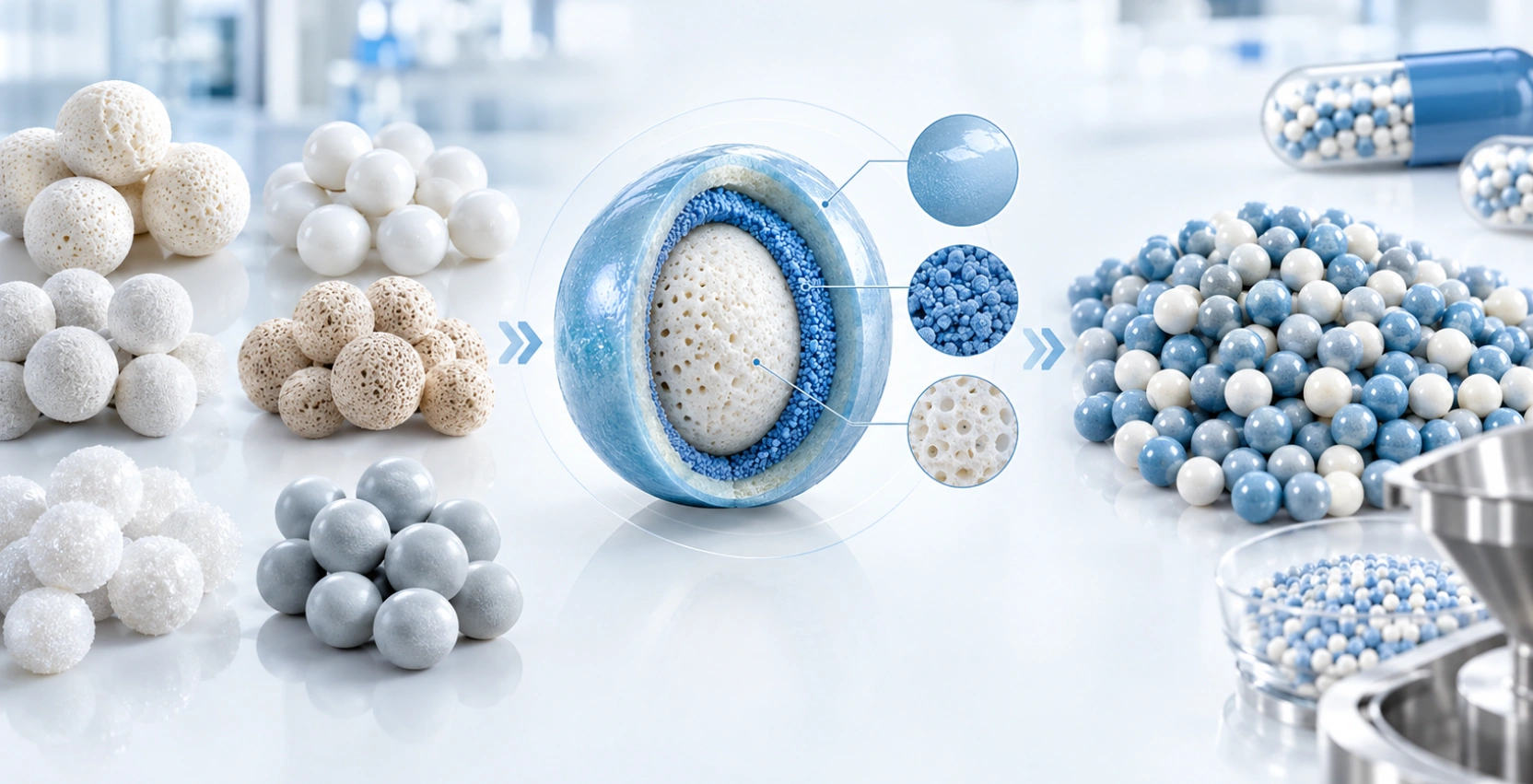
Learn how excipient spheres support drug layering, coating uniformity, controlled release, and customized pharmaceutical pellet manufacturing.
Read More →
Yukta
25 September 2024
Stand out in the personal care market with Umang Global's Actifilms. Our biodegradable, customizable films add a unique touch, enhancing both aesthetics and sensory pleasure.
Read More →

INDIA - CORPORATE OFFICE
Unit No. 1, 2nd Floor, Vicino (Mega Mall), New Link Rd, Oshiwara, Andheri West, Mumbai, Maharashtra, India. 400102
MANUFACTURING FACILITY
Unit No. 1, Survey No. 52/2, NH8, Shirsad, Vajreshwari Road, Opp. Mandvi Police Station, Village - Mandvi, Taluka- Vasai, District- Palghar 401 303, India.