Discover how personal care particles behave from formulation to skin, including dispersion, dissolution, exfoliation, active release, and sensory effects.
Written By
Aishwarya
Published on
09 September 2026
Tags
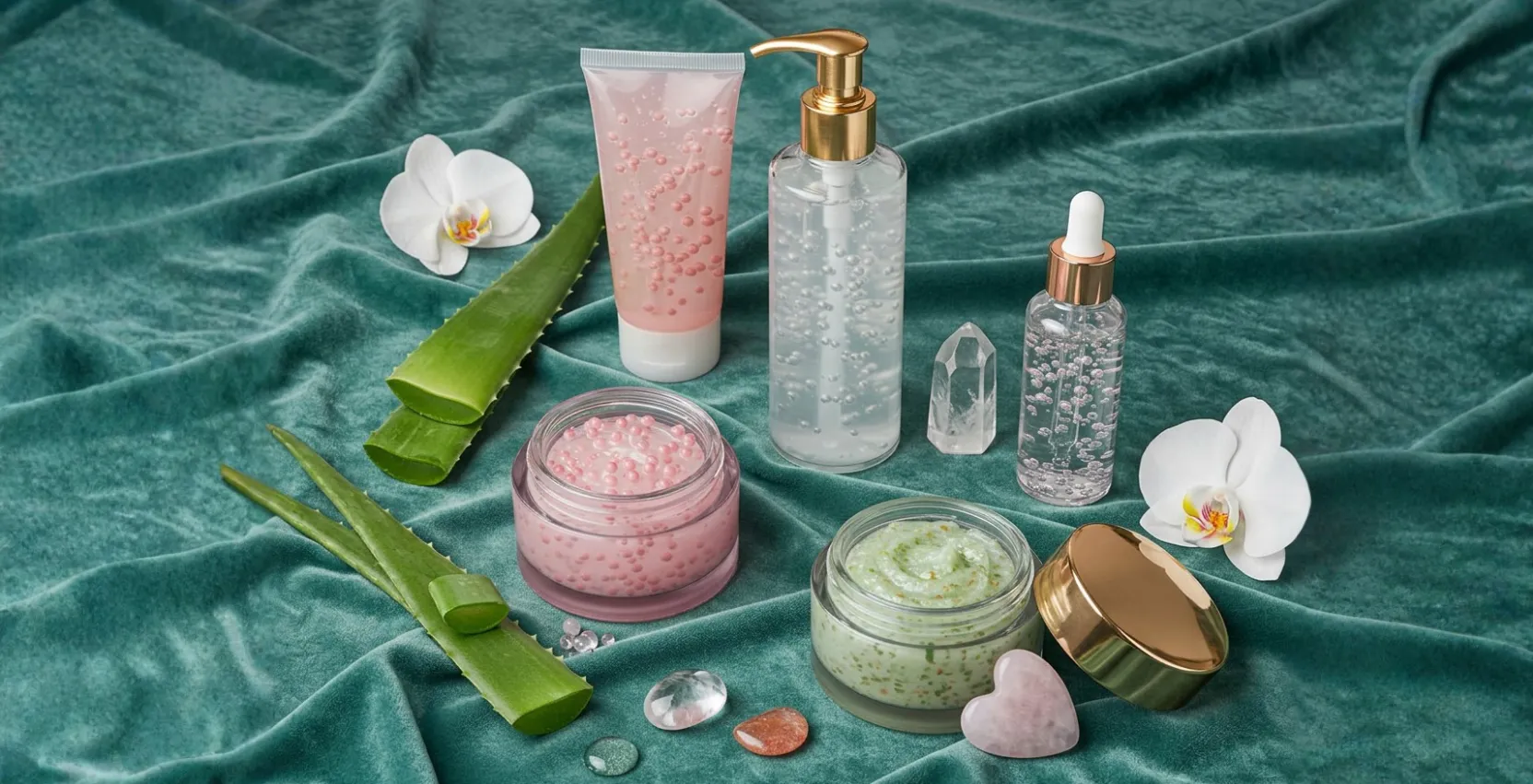
The particle in a facial cleanser or the face wash isn't just an extra additive; it is designed to do a specific job in the formulation. Based on the product's aim, formulators can choose exfoliating particles, dissolving particles for a better user experience, encapsulated particles to protect and release ingredients, or sensory particles that deliver effects like fragrance and cooling.
A particle-based form may offer benefits compared with adding an active ingredient directly to the formulation. This could be because encapsulation and particle formation help protect the sensitive ingredient, manage its interactions, improve handling, control its release mechanism, or even deliver a sensory experience. The type of particle that should be used would depend upon the function of the face wash.
Several factors must be considered when designing particles, including size, composition, shape, density, stability, dispersion, and compatibility with the face wash base. The particle needs to remain stable and evenly distributed throughout storage, yet fulfill its purpose once the product is used.
Ultimately, proper particle design starts with a basic question: what does the particle need to do? From there, the makeup and properties of the particle are determined by the demands of the face wash.
After adding the particle to the face wash system, it becomes part of a complex system that includes water, surfactants, thickeners, fragrance, active ingredients, and others. It must stay stable in this system without losing any of its properties during the product's shelf life. Depending on how it is made, the particle can stay suspended in the gel or liquid, sink slowly, or react with the surrounding system.
Particle size and density significantly affect how particles behave within the formulation. If particles are very dense and the base fails to suspend them, they will settle during storage. If the particles are well designed, along with the formulation's viscosity and suspension ability, they can stay well distributed within the formulation. This is because the consumer should get a fairly uniform quantity of the particle.
Compatibility also counts for much. The particle must not be capable of reacting in any way that would cause its instability or would otherwise affect the performance of the face wash when in the presence of surfactants, thickeners, fragrances, preservatives, or actives. Compatibility of the particle with these components is thus considered.
This creates an intriguing concept for particles in personal care products: the particle must stay intact and dispersed in the bottle while changing its nature when the consumer uses it. The particle can stay together and evenly dispersed before use, but upon contact with water, friction, or skin, it can disintegrate, release a component, exfoliate, or create an effect.
The particle's performance may change once the face wash leaves the bottle and touches the skin's surface. During dispensing, particles leave with the face wash base and start reacting with water, skin, and even mechanical manipulation like rubbing or massaging. It is here that the function of the particle becomes evident.
Dispensing the face wash
During dispensing, the particles must stay adequately dispersed in the formulation so the end-user gets a consistent product experience.
Contact with water
Water can help the particle affect its surroundings. Based on the composition of the particle, it may dissolve, soften, disperse, swell, or even start releasing the encapsulated component.
Interaction with skin and friction
In massage, movement creates friction between the formula, particles, and skin. For exfoliation particles, this provides the desired exfoliating action; for other particle types, friction and spreading may help activate their sensory/delivery action.
Influence of the formulation
Factors such as surfactants, viscosity, pH, water content, and other additives in the facial wash affect the particle's transformation rate during use. Therefore, the particle should be formulated with all environmental conditions in mind.
Stable in the bottle, functional on the skin
This is probably the most critical element of particle design. The particle can be designed to be physically stable until use. Still, once applied to the skin, it must deliver on its promise, whether that is dissolution, exfoliation, release of an active, or delivery of a sensory experience.
In the end, the application process is where particle engineering becomes a consumer experience, because how the particle is engineered affects not just its survival in the product, but its performance during actual use of the face wash.
The moment the particle changes
The most fascinating part of the particle’s behavior starts with how it reacts to the environment set up during application of the product. The particle itself is made in accordance with its function in the product; therefore, not all particles act in the same way. Some are intended to dissolve, some to stay as is and exfoliate, and some should release their active ingredients or sensory effects.
Dissolving beads
These particles are designed to break down when they come into contact with water. As you apply and massage the face cleanser, they gradually dissolve and blend into the formulation, giving the skin surface an interactive experience.
Exfoliating beads
These particles are designed to remain intact during application and work gently on the skin as you massage the cleanser onto your face. The feel of the exfoliation process depends on the size, shape, and composition of these particles.
Encapsulated active beads
The active component is contained within the particle. During application, the particle may open and release the component, making it available on the skin surface.
This highlights another major aspect of particle technology: it is not a single behavior. The face wash idea can use entirely different particle techniques, depending on whether the goal is dissolution, exfoliation, protection, release, refreshment, or sensory experience.
The science behind the particle becomes part of the consumer's experience. Even if consumers don't realize a product contains particle technology, they may notice the difference in the product's appearance, feel, smell, and performance.
Texture and skin feel.
Particle texture can affect how the facial wash feels on the skin. The feel can range from smooth and soft to refreshing and even abrasive.
Exfoliation
Exfoliating particles provide physical stimulation during massage. Particle properties affect how mild or stimulating the process is.
Dissolution sensation
Dissolvable particles slowly vanish when they come into contact with water, creating a fascinating change customers experience when they use the product.
Cooling or refreshing sensation
Certain particle technologies can be designed to provide a cooling or refreshing sensation when the product is applied, making the cleansing experience feel more distinctive.
Visual appeal
Visible particles can add color, texture, or interactivity to the formula. It gives the formula a visual difference when compared to the traditional face wash.
Perception of quality and innovation
The product will appear more unique and innovative if it provides a visible change, such as particle dissolution, exfoliation, or a sensory effect.
The behavior of a personal care particle depends a lot on the design of the particle. Even a slight change in a particle's size, structure, composition, or coating can affect its performance.
Particle size
Size plays an important role in how well particles disperse in the formulation, their skin feel, dissolution rate, and visual appearance.
Shape and structure
The particle's form and structure can influence texture, skin interaction, stability, and the breakdown or release of the particle's contents.
Composition
The composition of the material used to form the particle dictates a number of its qualities, such as hardness, solubility, stability, touch, and purpose.
Coating or Encapsulation
The coating shields the material or controls its action. The coating may protect certain ingredients or control when and how they act.
Dissolution characteristics
Some particles are supposed to dissolve rapidly upon contact with water, whereas other particles should remain undissolved upon use. This depends on the product's function.
Stability within the formulation
Particles must be stable enough and uniformly distributed within the product to perform their role while the product is being used.
Particle technology can turn an ordinary facial cleanser into not just a cleaning cosmetic, but a multi-functional, interactive one. Depending on the particle technology chosen, you can create a cleanser with additional functions like exfoliation, active-ingredient delivery, fragrance release, cooling, dissolving, and visual appeal.
But getting the right experience begins with proper particle design. To ensure particles behave as expected, consider parameters such as particle size, composition, structure, stability, formulation compatibility, coatings, dissolution, release profile, and sensory profile.
Umang Particle Science develops particle solutions with the specific needs of personal care formulations in mind. Through particle customization, encapsulation, controlled delivery, dissolving formats, exfoliation technology, and sensory-based technology, Umang Particle Science enables brands to experiment with different ways to improve their products.
Ultimately, the future of personal care depends not only on product contents, but on how ingredients behave. This is where particle science plays a major role in transforming a formulation problem into an innovative product solution.
Aishwarya
16 September 2026
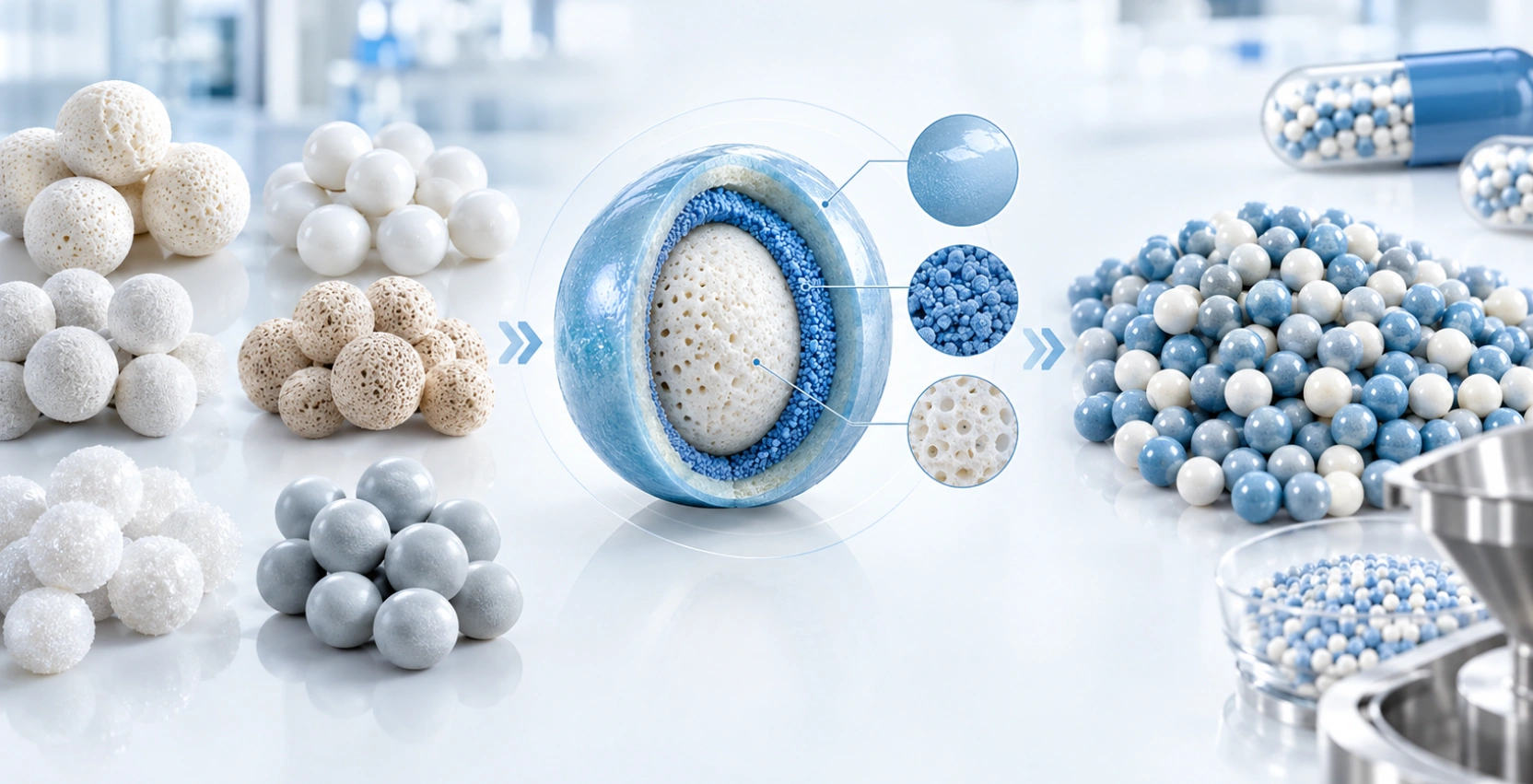
Learn how excipient spheres support drug layering, coating uniformity, controlled release, and customized pharmaceutical pellet manufacturing.
Read More →

Vinit
21 September 2024
Understand how encapsulation technology is revolutionizing skincare by improving ingredient stability, effectiveness, and user experience. Investigate creative solutions today!
Read More →
Neel
25 September 2024
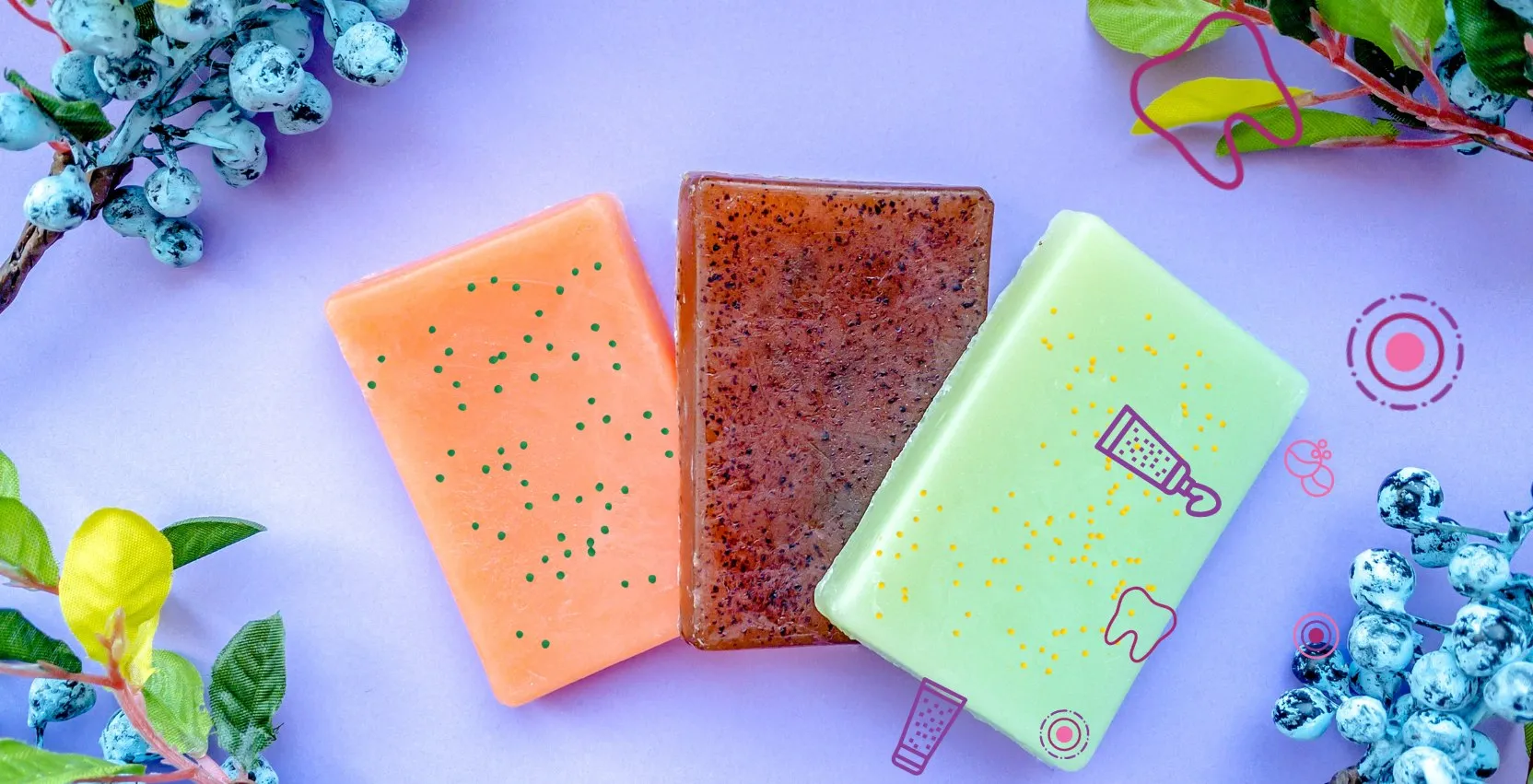
Explore our eco-friendly, biodegradable exfoliators. Made with natural ingredients, our SpraySphere SE Beads and 100% Natural Exfoliator support skin health and the planet.
Read More →
Aishwarya
01 August 2026
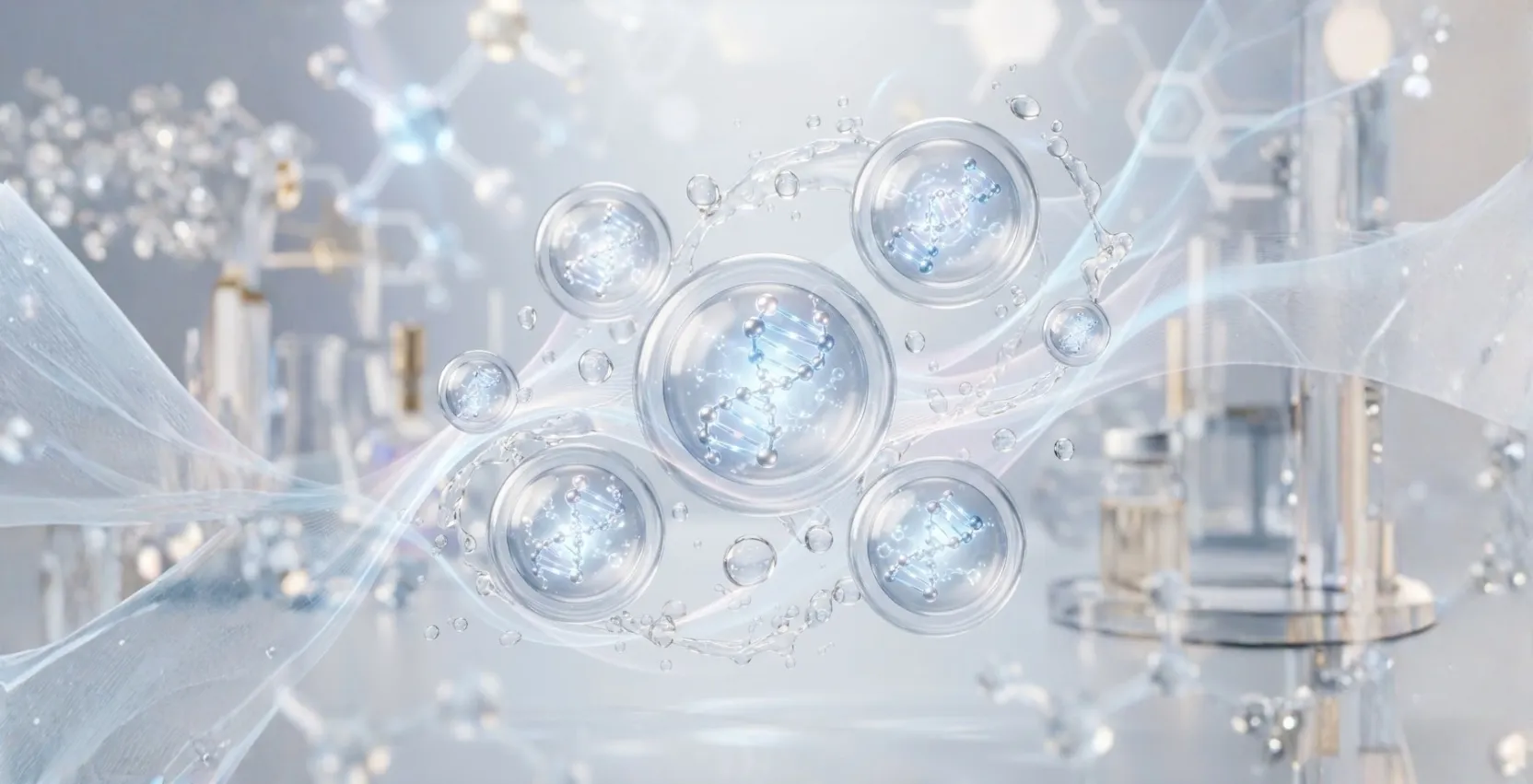
Discover why cosmetic manufacturers are adopting encapsulated peptides to improve stability, enhance product performance, and create premium skincare and haircare formulations.
Read More →
Omkar
21 September 2024
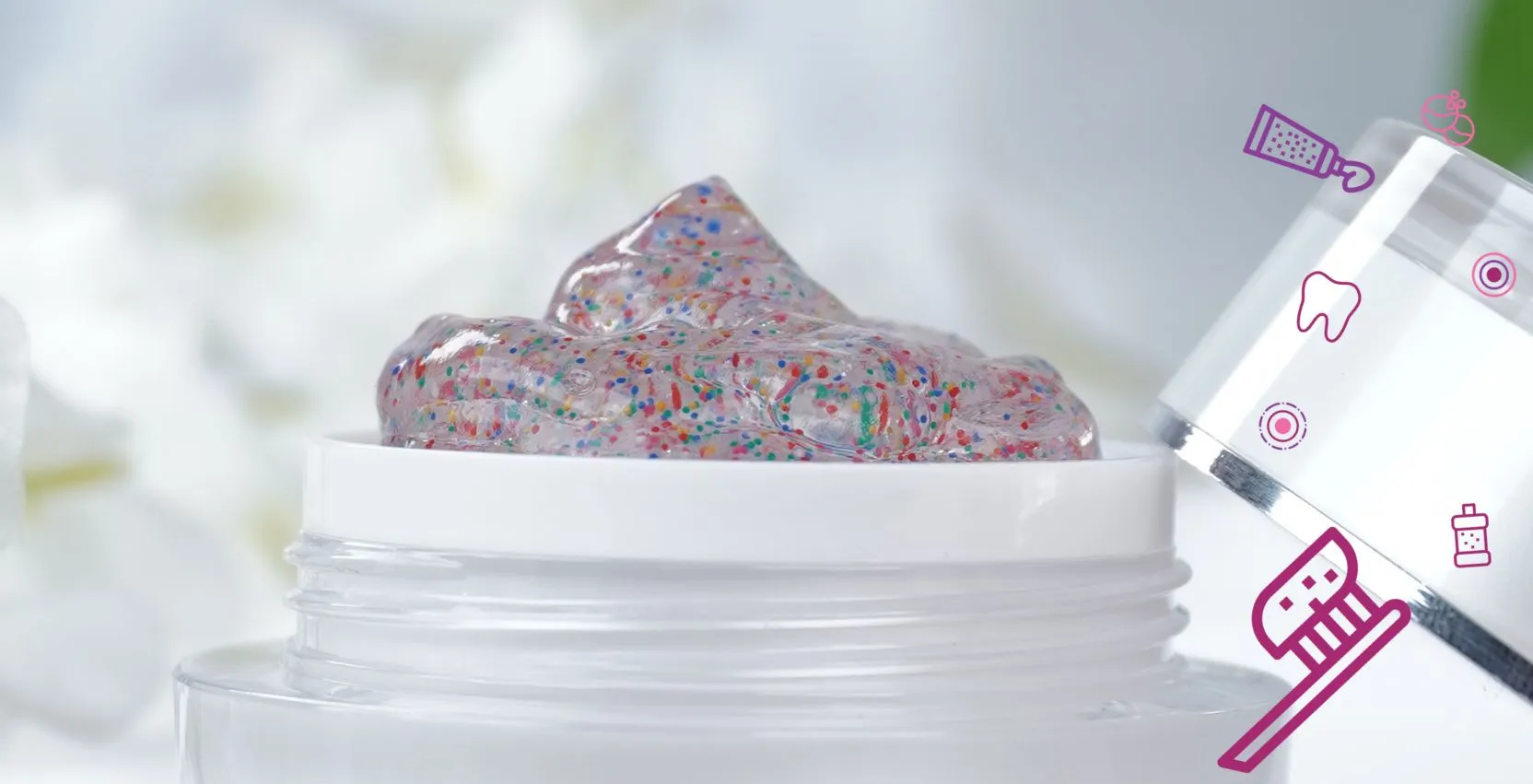
Experience the advantages of colored beads and natural exfoliants in personal care products. Improve skin texture, product attractiveness, and sustainability now!
Read More →
Aishwarya
04 September 2026
Discover how encapsulation, dissolving beads, exfoliator beads, and HPMC films create interactive personal care products with unique visual and sensory experiences.
Read More →

INDIA - CORPORATE OFFICE
Unit No. 1, 2nd Floor, Vicino (Mega Mall), New Link Rd, Oshiwara, Andheri West, Mumbai, Maharashtra, India. 400102
MANUFACTURING FACILITY
Unit No. 1, Survey No. 52/2, NH8, Shirsad, Vajreshwari Road, Opp. Mandvi Police Station, Village - Mandvi, Taluka- Vasai, District- Palghar 401 303, India.